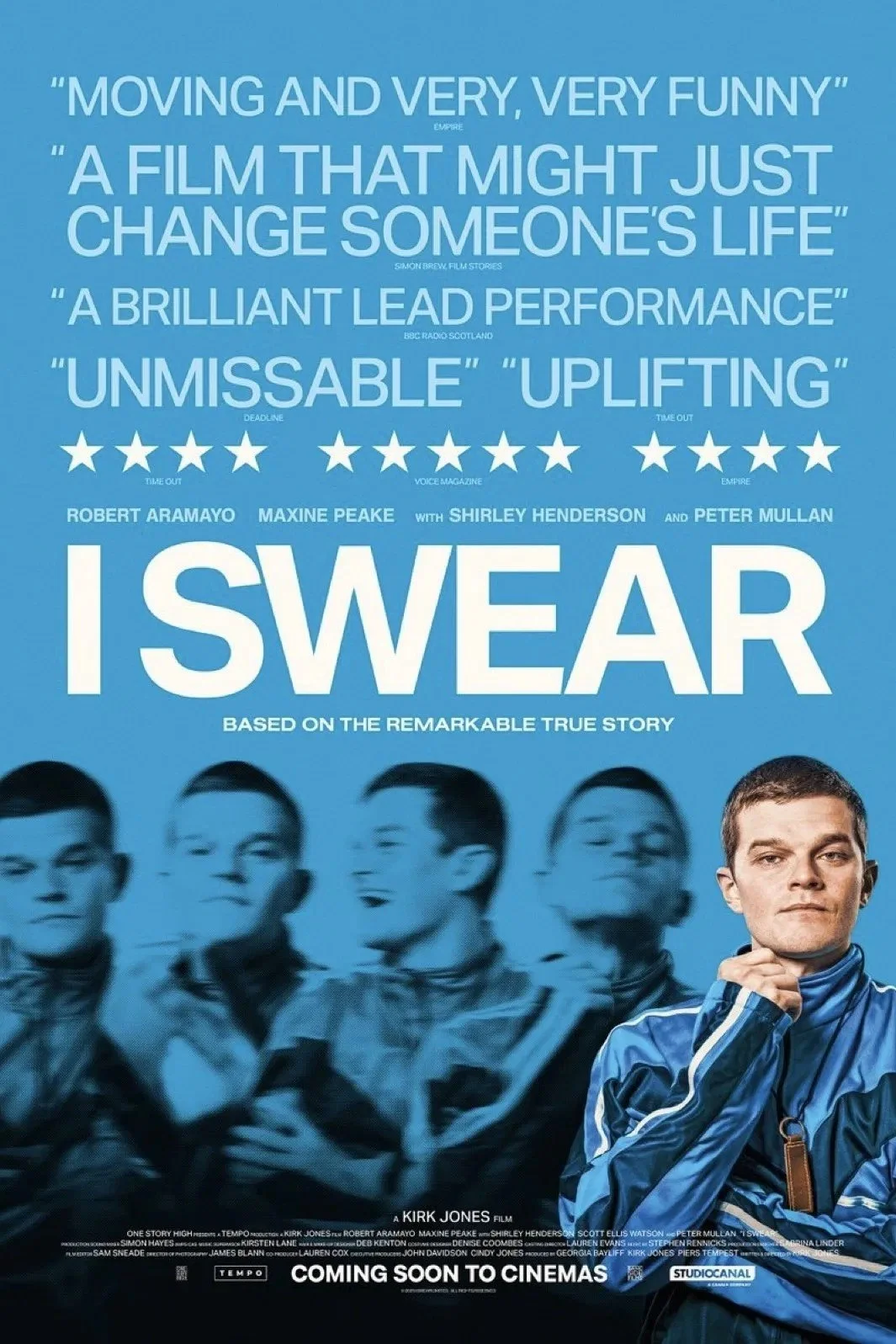
In an age saturated with information, discerning the line between fact and fiction can be a complex endeavor, especially when a title explicitly asks for a declaration of truth. The question, "Is I Swear A True Story?" immediately piques curiosity, prompting readers and viewers to seek confirmation of its authenticity. However, the path to uncovering a definitive answer for content associated with the phrase "I Swear" often proves to be remarkably elusive, as our initial investigations suggest a surprising scarcity of direct, verifiable information.
Our research, attempting to pinpoint articles or discussions directly addressing the veracity of something titled "I Swear," encountered notable challenges. For instance, inquiries across various online repositories and specific content sources, such as those related to "The Maternity Market" or "The Unz Review," consistently indicated an absence of relevant articles. While these platforms host diverse content, no specific piece emerged that directly engaged with the question: Is I Swear A True Story? Digging Into the Missing Details. This recurring pattern of "content undetected" leaves a vacuum, forcing us to explore not just the potential answers, but the very nature of such inquiries in the digital landscape.
The Elusive Nature of "Is I Swear A True Story" Content
The quest to determine whether a narrative called "I Swear" is rooted in reality quickly becomes a journey into the nuances of online information retrieval. The phrase itself carries an inherent weight, a promise of truth, which naturally prompts an investigation into its factual basis. Yet, despite the internet's vastness, concrete details are often surprisingly difficult to pin down. This difficulty can stem from several factors:
- Specificity of the Title: "I Swear" is a broad, evocative title that could apply to a multitude of works across different media (books, short stories, films, songs, online posts). Without further context (e.g., author, year, specific platform, genre), a general search is like looking for a needle in a haystack made of other needles.
- Regional or Niche Content: Some stories, even if true and compelling within their original context, may not achieve widespread international recognition or digital documentation. Content originating from specific regions, like a romance story in Nigeria as suggested by some contextual fragments, might be less visible to broad-spectrum global searches if not properly indexed or widely discussed on international platforms.
- Ephemeral or Undocumented Works: Not everything published or created, especially in the early days of the internet or within certain community forums, leaves a lasting, easily searchable digital footprint. Some works might simply not have been deemed significant enough by broader archival efforts to be indexed effectively.
- Lack of Scholarly or Mainstream Media Coverage: For a "true story" claim to be widely verified, it often requires coverage by reputable news outlets, literary critics, or academic sources. If "I Swear" hasn't garnered such attention, its factual basis might remain solely within its original, potentially narrow, sphere.
Navigating the Information Void
When direct answers are scarce, it forces a different approach to research. Instead of finding an article explicitly stating "Yes, 'I Swear' is a true story because X, Y, Z," we are left to infer, investigate secondary sources, or broaden our search parameters significantly. This often involves looking for:
- Mention of the work in an author's bibliography or interviews.
- Discussions in fan forums or dedicated communities that might possess niche knowledge.
- Contextual clues within the work itself, if accessible, that might point to real-world events or individuals.
- Searching for specific creators or platforms associated with the title "I Swear" rather than just the title alone.
The challenge highlighted by the difficulty in finding content directly addressing "Is I Swear A True Story?" underscores a broader issue in digital literacy: how do we verify claims when the information isn't readily available, or worse, when the very existence of the content is barely detected by standard search mechanisms? This makes Finding the Truth: Is I Swear A True Story Content Scarce? a pressing concern for digital researchers.
Decoding "True Story" Claims in Media
The phrase "true story" itself is often more nuanced than it appears. In storytelling, especially across books, films, and online narratives, there's a wide spectrum of what constitutes "truth." Understanding this spectrum is crucial when evaluating any claim of authenticity:
- Strict Factual Recounting: This is typical of historical accounts, investigative journalism, or biographies where accuracy to verifiable events and timelines is paramount. Every detail is ideally fact-checked and sourced.
- "Based on a True Story" or "Inspired by True Events": These phrases grant creators significant artistic license. While a core event, person, or theme might be real, characters can be composited, timelines altered, dialogue invented, and dramatic elements enhanced for narrative impact. The "truth" here lies in the essence or inspiration, not necessarily in every literal detail.
- Memoir/Autobiography: These are presented as personal accounts of the author's own life. While generally aiming for factual accuracy, they are inherently subjective, filtered through memory, perception, and the author's chosen narrative arc. Details might be remembered differently or selectively presented.
- Fictionalized Accounts: Sometimes, a story that feels incredibly real is entirely fabricated, drawing on universal human experiences or plausible scenarios. These works can be so convincing that readers naturally question their authenticity.
Creators choose to label their work as "true" for various reasons: to lend credibility, increase emotional resonance, attract an audience seeking real-life drama, or simply to honor the real events or people who inspired them. Conversely, some choose to leave it ambiguous, allowing the audience to ponder, which can deepen engagement.
The Spectrum of Authenticity and Its Impact
When grappling with a title like "I Swear," especially if its origins are unclear, it's vital to consider where it might fall on this authenticity spectrum. A powerful romance narrative, for example, might draw deeply from universal emotions and experiences, making it feel true even if its specific events are fictional. The impact of a story often lies not just in its factual accuracy but in its ability to resonate with human experience.
For instance, a compelling romance story, whether fictional or based on real events, gains strength from its ability to evoke genuine emotions. If a piece titled "I Swear" is designed to be a declaration of love, loyalty, or commitment, its power might come from its emotional truth rather than its literal historical accuracy. This is a common characteristic of works intended to touch the heart, blurring the strict lines of fact and fiction.
Practical Tips for Investigating "True Story" Claims
Given the challenges in confirming whether "I Swear" is a true story, and for any similar content that sparks your curiosity, here are actionable tips for a more effective investigation:
- Identify the Specific Work: Before asking "Is I Swear A True Story?", clarify which "I Swear" you mean. Is it a book, a film, a song, a personal blog post? Knowing the author, director, publisher, or platform is the first crucial step.
- Research the Author/Creator: Investigate the person or entity behind the work. Are they known for non-fiction, memoirs, or fictional works? Their track record can offer significant clues. For example, a journalist is more likely to write a factual account than a fantasy novelist.
- Seek Official Statements: Look for interviews with the creator, publisher's notes, "making of" documentaries (for films), or author's prefaces. These often contain explicit statements about the story's origins.
- Cross-Reference with Multiple Sources: Don't rely on a single website or forum post. Search reputable news archives, literary databases (like WorldCat, Goodreads, IMDb for films), and academic journals. If a story is widely acclaimed as "true," there should be multiple independent verifications.
- Examine the Genre and Context: A story published in a "Romance" category, as suggested by some context, is more likely to be fictionalized or inspired by true events rather than a strictly factual account. Understand the conventions and expectations of the genre.
- Look for External Validation: If the story involves historical events or public figures, check if the events described align with established historical records or biographical information. Are there news reports or official documents that corroborate key aspects of the narrative?
- Engage with Fan Communities: For niche or older works, dedicated fan wikis, forums, or social media groups can be invaluable resources. Enthusiasts often compile detailed information, including discussions about a work's authenticity.
- Cultivate Critical Media Literacy: Be skeptical. Understand that even "true stories" involve subjective interpretation and storytelling choices. Consider the potential motivations behind presenting a story as factual.
The Role of Undetected Content in a Digital Age
The phenomenon of "undetected content" – where a query returns no relevant results even when the information might exist – is a fascinating aspect of our digital age. It's not necessarily that the content doesn't exist, but rather that it hasn't been effectively indexed, linked, or surfaced by current search algorithms. This could be due to:
- SEO Optimization Gaps: Original creators may not have optimized their content for search engines, making it hard to find.
- Language and Regional Barriers: Content primarily in one language or addressing a specific local audience might not rank highly in broader, international searches.
- "Deep Web" or Paywalled Content: Some content resides behind subscriptions or in databases not readily accessible to general search engines.
- Link Rot and Digital Decay: Older websites disappear, links break, and content gets removed or moved without proper redirects, leading to its effective disappearance from the public web.
The difficulty in answering "Is I Swear A True Story?" could very well be a case study in this challenge. Without knowing the specific origin of the "I Swear" content in question, it's impossible to tailor a search effectively, leaving researchers to grapple with a content void.
Conclusion
The question, "Is I Swear A True Story?" serves as a compelling reminder of the complexities inherent in verifying factual claims in the digital realm. Our exploration reveals that direct answers regarding content specifically titled "I Swear" are remarkably elusive, often due to the broadness of the title, its potential niche origins, or simply the challenges of digital indexing and archival. Rather than finding a clear 'yes' or 'no,' we encounter an information landscape where the content is largely undetected by general searches.
This situation underscores the importance of critical thinking and robust research strategies. When faced with claims of truth, especially for ambiguous titles, it's crucial to go beyond simple searches. By investigating the specific work, its creator, genre, and seeking external validation, one can piece together a more comprehensive understanding of a narrative's authenticity. Ultimately, whether "I Swear" is a true story or a work of inspiring fiction, the journey to find out teaches us valuable lessons about media literacy and the ever-evolving nature of information access in our interconnected world.