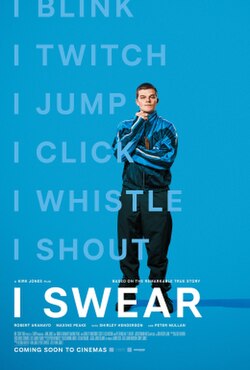
The Elusive Search for "I Swear A True Story" Content
In an age saturated with information, it's increasingly common for audiences to seek out narratives rooted in reality. The phrase "true story" holds a powerful allure, promising authenticity, deeper connection, and valuable insights into the human experience. So, when a title like "I Swear" emerges, naturally, the burning question follows: Is I Swear A True Story? Many embark on a quest to uncover the facts, hoping to distinguish fiction from documented reality. However, what often greets these intrepid searchers is not a clear answer, but rather a perplexing scarcity of specific, verifiable content directly addressing this very question.
Our own deep dive into available resources reveals a consistent pattern: finding definitive content that confirms or denies whether "I Swear" is based on actual events proves surprisingly challenging. Instead of explicit articles, reviews, or detailed analyses, searches tend to yield a mixed bag of results. These might include technical messages, security verifications, or entirely unrelated articles on topics far removed from the subject matter. For instance, attempts to pinpoint relevant information have sometimes led to discussions about shipping logistics, historical texts like "A Short History of the Jews," or even generic romantic fiction forums, none of which shed light on the authenticity of "I Swear."
This raises an intriguing question: why is content specifically addressing Is I Swear A True Story so scarce? Part of the difficulty may stem from the generic nature of the title itself. "I Swear" is a common phrase, potentially making it harder for search engines to distinguish a specific piece of media from countless other contexts. Without unique identifiers or accompanying details, the digital landscape can feel like a vast ocean where specific pearls of truth are hard to locate. Furthermore, the absence of prominent content could suggest that the work in question, if it exists, might be niche, independently produced, or simply not widely discussed in mainstream or even specialized media that typically verify "true story" claims. For a deeper look into this investigative process, you might find valuable insights in Is I Swear A True Story? Digging Into the Missing Details, which explores the challenges of uncovering such information.
Decoding "True Story" Claims in Media
The quest to answer Is I Swear A True Story inevitably leads us to a broader discussion about what constitutes a "true story" in the first place, especially in the context of media. The label itself is often a powerful marketing tool, imbuing a narrative with an instant sense of gravitas and authenticity. However, the spectrum of "truth" in storytelling is wide and varied, ranging from meticulously documented historical accounts to narratives merely "inspired by" real events, where creative license takes significant precedence.
- Fact-Based Narratives: These aim for historical accuracy, meticulously researching events, characters, and timelines. Examples include documentaries, biographical films, or investigative journalism pieces that adhere strictly to verifiable facts.
- "Based On A True Story": This is a more flexible category. While the core events or premise might be rooted in reality, significant dramatization, composite characters, altered timelines, and invented dialogue are often employed to enhance narrative flow or emotional impact. The essence of the truth is often present, but specific details can be entirely fictionalized.
- "Inspired By True Events": This offers the most creative freedom. Here, a single incident, a particular emotion, or a broad theme from reality might serve as a springboard for an entirely fictional plot. The connection to actual events can be tenuous, making it difficult to pinpoint specific real-world parallels.
Understanding these distinctions is crucial for anyone trying to determine the authenticity of a story. When content related to Is I Swear A True Story is scarce, as our research suggests, it becomes even more vital to approach any claims with a discerning eye. The absence of readily available verification doesn't automatically mean a story isn't true, but it does shift the burden of proof, requiring a more proactive and critical approach from the audience. Without clear indicators from creators or reputable third-party sources, one must consider the possibility that "I Swear" might fall into the "inspired by" category, or perhaps even be a work of pure fiction that simply resonates with the desire for authentic narratives.
Navigating the Search for Verifiable Narratives
Given the challenges in confirming Is I Swear A True Story, how can audiences effectively navigate the vast digital landscape to find reliable information about other media claims? The ability to critically evaluate sources and employ effective search strategies is paramount. Here are some practical tips for uncovering the truth behind any story presented as real:
Effective Search Strategies:
- Be Specific with Keywords: Instead of just "Is I Swear A True Story," try adding details like "I Swear [Author/Director Name] true story," "I Swear [Release Year] factual basis," or "I Swear [Plot Summary] real events." The more specific you are, the better your chances of hitting relevant results.
- Look for Official Sources: Always prioritize information from the creators themselves (official websites, interviews with the author/director, production company press releases). These often contain direct statements about the inspiration or factual basis of a work.
- Consult Reputable Media Outlets: Major news organizations, established film/TV review sites, literary journals, and academic databases are more likely to perform fact-checking and provide accurate information regarding "true story" claims. Be wary of unverified blogs or forums as primary sources.
- Check for Companion Materials: Sometimes, the "true story" aspect is elaborated upon in companion books, "making-of" documentaries, or interviews with the real-life individuals involved, if any.
Critical Evaluation of Information:
- Cross-Reference Multiple Sources: Never rely on a single source for confirmation. If several independent, reputable sources corroborate the same information, its credibility significantly increases.
- Consider the Source's Bias: Every source has a perspective. Understand if the source has a vested interest in portraying a story as true (e.g., a creator promoting their work) or false (e.g., a critic with a negative agenda).
- Look for Evidence, Not Just Claims: Does the source provide names, dates, locations, and verifiable events? Does it offer primary source documentation (e.g., historical records, news clippings, photographs) or quote experts?
- Distinguish Between Fact and Opinion: Reviews and analyses often mix factual descriptions with subjective opinions. Learn to separate what is presented as fact from what is clearly an interpretation or personal viewpoint.
In the particular case of Context Review: Is I Swear A True Story Content Undetected?, the initial findings highlight the difficulty. When content is consistently undetected or leads to irrelevant results, it suggests that either the story's "true" nature is not widely publicized, or perhaps the narrative is entirely fictional. This uncertainty underscores the importance of a robust, critical approach to information gathering.
Why Authenticity Matters So Much
Our persistent inquiry into whether Is I Swear A True Story reflects a broader human fascination with authenticity. There are profound psychological and social reasons why audiences gravitate towards narratives based in reality, and why the distinction between fact and fiction holds such significance.
The Psychological Appeal:
- Empathy and Connection: True stories often allow us to connect with real human experiences, fostering empathy and understanding. Knowing that someone genuinely lived through particular events can make a story infinitely more impactful.
- Learning and Insight: Real-life narratives offer valuable lessons about human nature, history, resilience, and societal challenges. They can be powerful tools for education and personal growth, providing context for our own lives and the world around us.
- Validation and Resonance: Sometimes, true stories validate our own experiences or fears, making us feel less alone. They can resonate deeply by reflecting aspects of the human condition that we recognize as universally true.
- The Thrill of Reality: There's an inherent fascination with the idea that "this really happened." The stakes feel higher, the emotions more genuine, and the events more profound when we know they transpired in the real world.
The Societal Impact of Truth:
Beyond individual appeal, the collective pursuit of truth in narratives has significant societal implications. Misinformation, whether deliberate or accidental, can have far-reaching consequences, influencing public opinion, shaping historical understanding, and even impacting policy decisions. When stories are presented as true but lack factual basis, it erodes trust in media and creates a fertile ground for skepticism. Therefore, encouraging critical thinking and the verification of claims is not just about personal satisfaction; it's a vital component of a well-informed society.
The absence of clear answers regarding Is I Swear A True Story serves as a potent reminder of this responsibility. It compels us to be more than passive consumers of content and instead become active participants in the search for truth, equipped with the tools to discern fact from creative interpretation.
Conclusion
The journey to determine Is I Swear A True Story highlights a common challenge in the digital age: while information abounds, specific, verifiable answers can be elusive. Our exploration revealed a scarcity of direct content confirming or denying the factual basis of "I Swear," leading us to consider the broader landscape of "true story" claims in media. This situation underscores the critical importance of understanding the nuances of how stories are presented, from "fact-based" to "inspired by true events," and equipping ourselves with the skills to navigate the search for authentic narratives.
Ultimately, whether "I Swear" proves to be a true story, a dramatization, or pure fiction, the enduring human desire for authenticity remains constant. In a world awash with narratives, cultivating a discerning eye, employing robust search strategies, and critically evaluating information are indispensable tools. By doing so, we not only satisfy our curiosity but also contribute to a more informed and trustworthy media environment, ensuring that the powerful impact of true stories continues to resonate with integrity.